Software
Agile vs Waterfall – Finding the Best Fit for Your Next Big Project
Sep 19, 2024 · 4 min read · Infinity Tech
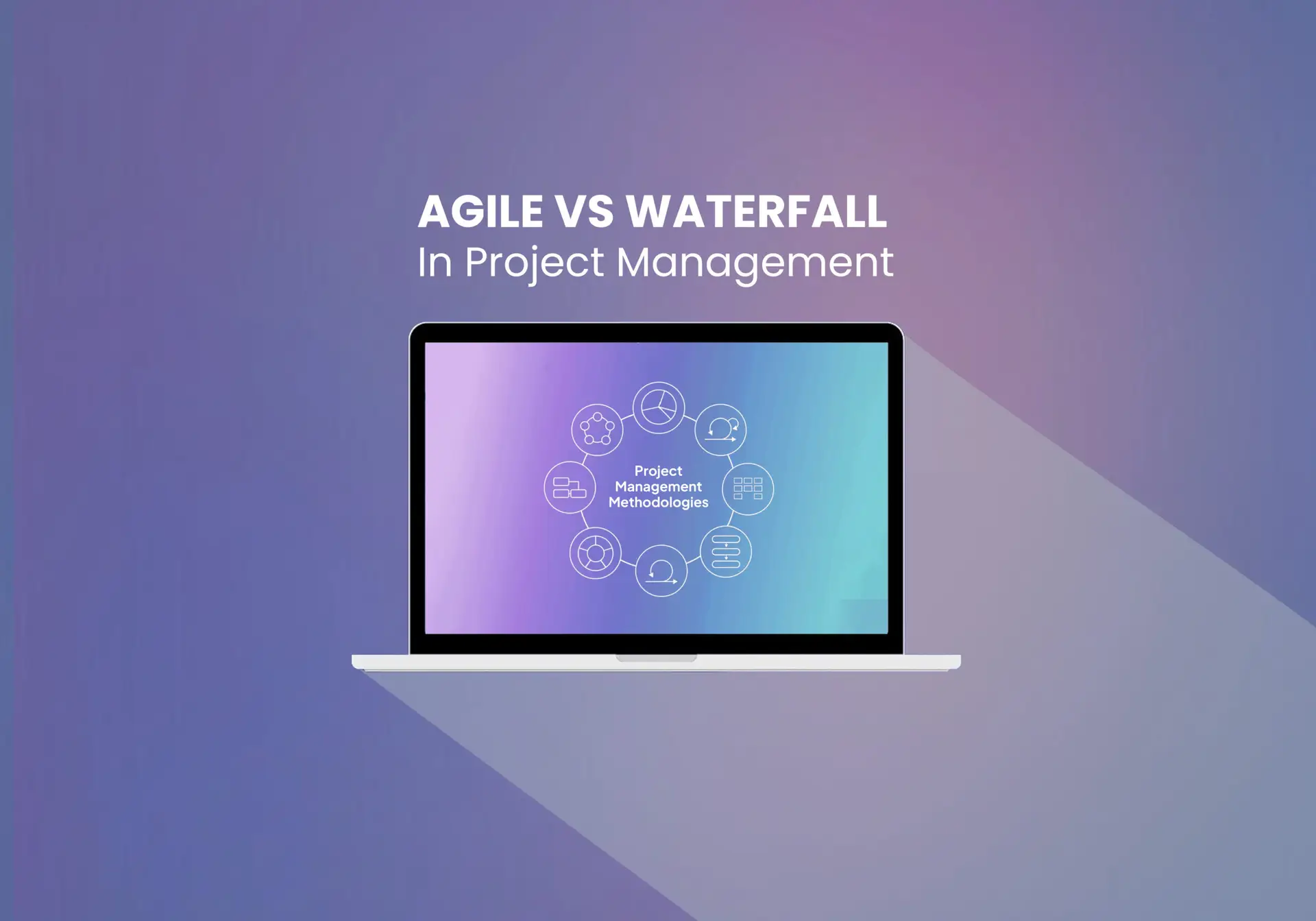
Selecting the appropriate project management methodology is an essential choice that can make all the difference in a project’s success or failure. The two most popular approaches are Waterfall and Agile. Each has benefits and drawbacks, and they work best for specific types of work. We will explain the differences between Agile vs Waterfall in this guide, along with when to use them.
What is Agile?
Agile project management is an adaptable and flexible methodology. Agile methodology permits modifications and enhancements to be made as needed, as opposed to adhering to a rigid plan all the way through. The project is broken up into smaller sections known as “sprints,” which are normally finished in short phases which last two to four weeks on average.
Agile emphasizes frequent feedback and communication between the client and the team. This makes it possible to quickly implement any necessary adjustments or upgrades, keeping the project moving forward even in the event that the initial plan changes.
Key Features of Agile
- The project is divided into small tasks, or “sprints.”
- Frequent client collaboration and feedback.
- Easily adjusts to required changes.
- Focus on providing a working product quickly.
What is Waterfall?
An older, more formal method of project management is called waterfall. It proceeds in a linear fashion, with each project phase needing to be finished before going on to the next. For instance, after the planning phase is complete, you proceed to the design, development, testing, and launch phases.
For projects with well-defined needs from the beginning, waterfall development works best. It is difficult to go back and make modifications to a plan once it is created. Waterfall is therefore perfect for projects where you may predict everything, including resources and timelines.
Key Features of Waterfall
- Follows using a step to step and linear approach.
- Every stage needs to be finished before moving on to the next.
- Not as flexible, making it more difficult to modify requirements in the middle of the project.
- Ideal for tasks with well-defined objectives and a predetermined schedule.
Key Differences Between Agile vs Waterfall
Agile | Waterfall | |
Project Structure | Agile divides work into small pieces. This allows for adjustments as you go. | With waterfall, every phase of the project must be finished before going on to the next. |
Flexibility | Agile is flexible. It allow modifications to be made even while the project is in progress. | Waterfall has less flexibility. It is challenging to go back and make modifications after a phase is finished |
Client Involvement | Agile involves the client at every stage of the project. After each sprint, they provide comments that helps shape the final product. | Waterfall has less adaptability. It is challenging to go back and make modifications after a phase is finished |
Risk and Change Management | Agile decreases the risk because it updates and reviews the project on a regular basis. Issues can be found and resolved quickly. | Waterfall development involves greater risk because it’s more difficult to make adjustments later in the project when issues may go unnoticed. |
When to Use Agile
Agile works best on projects whose requirements are not entirely known at start or are likely to change. Agile will help you quickly adapt if you are working on a complex project where client needs may change, like software development. Because Agile depends on constant cooperation, it is also ideal for teams with high levels of teamwork and communication.
Examples of Agile Projects
- Software development
- Marketing campaigns with shifting goals
- Product development where constant feedback is required
When to Use Waterfall
Waterfall is best suited for projects with well-defined needs that are unlikely to be modified and have a particular beginning and end. It functions best when the project’s objectives are clearly understood from the beginning and there are not many surprises during the way.
Examples of Waterfall Projects
- Building construction
- Hardware development
- Projects in heavily regulated industries, like healthcare or government work
How to Decide Between Agile vs Waterfall
The choice between Agile vs Waterfall depends on the particular requirements of your project. The following questions will assist you in making a decision
- Do the project requirements frequently change?
If so, Agile is likely a better choice because it allows for flexibility. - To what extent are your stakeholders or clients involved?The iterative nature of Agile’s process will help maintain their engagement if you require regular input from them.
- Do you have a set budget and timeline?
The methodical approach of waterfall will facilitate staying on schedule and under budget. - What level of communication does your team have?
Agile is best suited for teams who enjoy close cooperation since it places a strong emphasis on ongoing communication and teamwork.
Conclusion
While both agile vs waterfall project management techniques are beneficial, they work best with particular kinds of projects. Agile methodology provides adaptability and flexibility, which makes it perfect for projects with changing requirements. Waterfall, on the other hand, offers a more methodical approach that is ideal for projects with set objectives and tight deadlines.