Software
Software Development Life Cycle Explained – The Ultimate Guide
Aug 29, 2024 · 5 min read · Infinity Tech
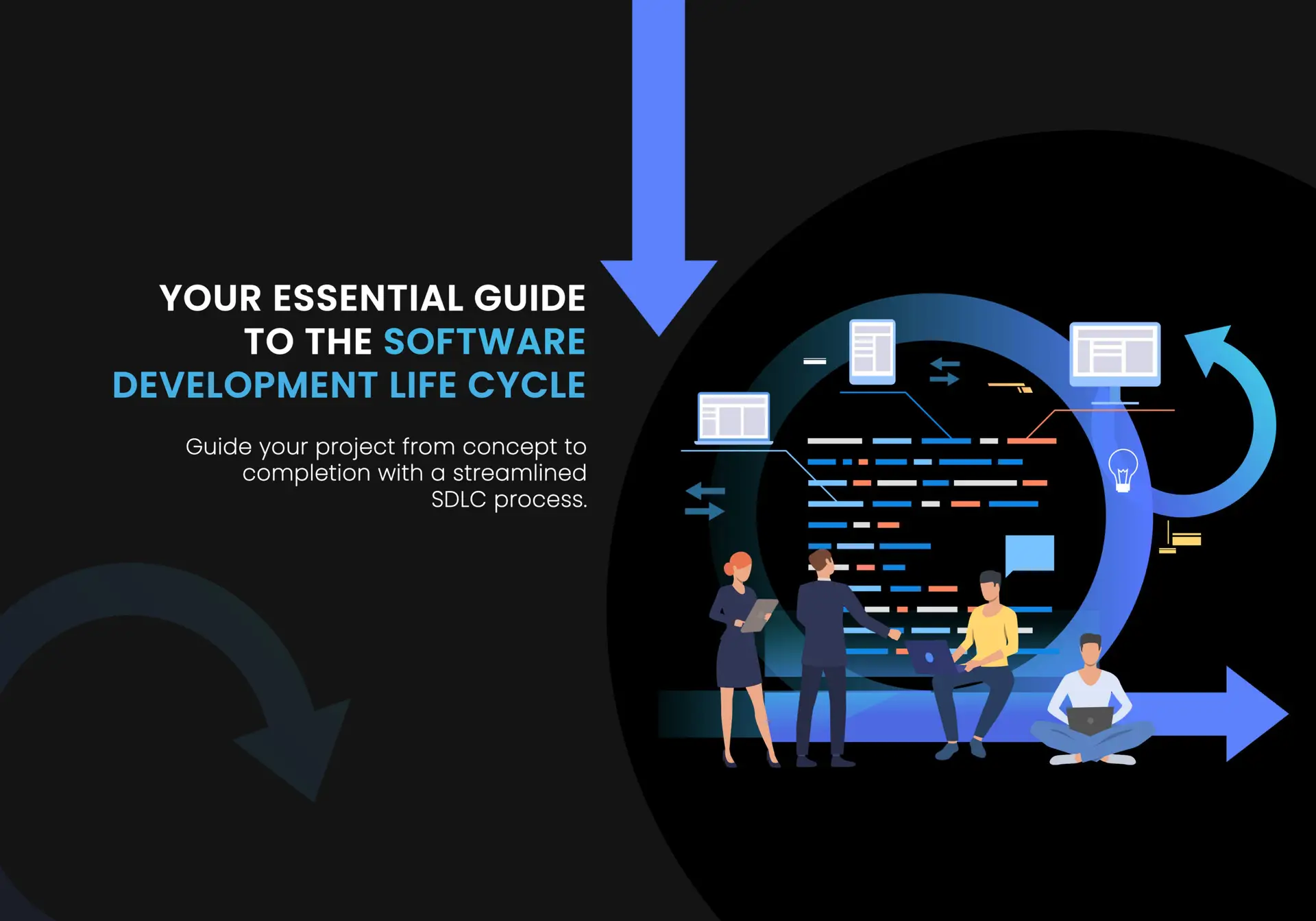
In the world of technology, software plays a crucial role in our everyday lives. From mobile apps to web platforms, software solutions are everywhere, driving businesses and enhancing user experiences. But how are these software products developed?
Let’s explore the Software Development Life Cycle, its stages, and best practices to help you understand how software development works.
What is the Software Development Life Cycle?
The Software Development Life Cycle is a systematic process used by software developers to design, develop, test, and deploy software applications It guarantees that the software is of the greatest quality, meets user requirements, is supplied on time, and stays within the allocated budget. The SDLC framework defines tasks performed at each step in the software development process, providing a roadmap for the entire project.
Why is the SDLC Important?
- Quality Assurance: The SDLC helps ensure that the software meets the required quality standards. Each phase of the cycle includes testing and validation to ensure the software is bug free and performs as expected.
- Cost Management: By planning and structuring the development process, the SDLC help us to manage costs effectively. It minimizes the chances of costly revisions and delays by identifying potential issues early in the development process
- Time Efficiency: The SDLC allows teams to work more efficiently by providing a clear framework and set of guidelines. This help us in timely delivery of the product by avoiding unnecessary delays and rework.
- Improved Communication: The SDLC provides a common language and set of expectations for developers, stakeholders, and clients. This enhances communication and collaboration throughout the project.
Stages of the Software Development Life Cycle
- Planning and Requirement Analysis
- System Design
- Implementation
- Testing
- Deployment
- Maintenance
Let’s dive deeper into each phase to understand what it involves.
1. Planning and Requirement Analysis
The first phase of the SDLC is Planning and Requirement Analysis. This is a critical step where the project’s goals, scope, and requirements are defined.
- Requirement Gathering: This involves collecting all the necessary information from stakeholders, including clients, end-users, and business analysts. The aim is to understand the desired software’s functionality, features, and user expectations.
- Feasibility Study: The development team evaluates the project’s technical and financial feasibility. This includes assessing if the required technology is available, if the project can be completed within the budget, and if it aligns with the organization’s strategic goals.
- Project Planning: Based on the requirements and feasibility study, the team creates a project plan. This plan outlines the project’s timeline, resources needed, potential risks, and mitigation strategies.
2. System Design
The System Design phase involves translating the gathered requirements into a blueprint for the software. This phase is about defining the architecture, components, modules, interfaces, and data flow of the system.
- High-Level Design (HLD): HLD provides a broad overview of the system, its architecture, and key modules. It defines how the system will function and interact with external systems.
- Low-Level Design (LLD): LLD focuses on the detailed design of each module. It defines how each module will be developed, including specific algorithms, database schemas, and interfaces.
During this phase, various design tools and models, such as UML (Unified Modeling Language) diagrams, flowcharts, and ER (Entity-Relationship) diagrams, are often used to visualize the system architecture and data flow.
3. Implementation
The Implementation phase, often referred to as Coding, is where the actual development of the software begins. The design documents created in the previous phase are used to guide the coding process.
- Coding Standards: Developers follow strict coding standards and guidelines to ensure consistency, readability, and maintainability of the code. This includes writing clean, well-documented code with appropriate comments and adhering to best practices for security and performance.
- Programming Languages and Tools: The choice of programming language and development tools depends on the project’s requirements and the team’s expertise. Common languages include Java, Python, C++, and JavaScript, while tools may include IDEs (Integrated Development Environments) like Visual Studio or Eclipse.
- Version Control: Developers use version control systems like Git to manage code changes, collaborate with team members, and track revisions. This ensures that code is organized and easily revertible in case of issues.
4. Testing
The Testing phase is crucial to ensuring the software is functional, reliable, and free of defects. This phase involves various types of testing to validate the software against the requirements and identify any bugs or issues.
- Unit Testing: Software is tested on individual modules or components to make sure they function properly when used alone. This is often handled by developers during the coding phase.
- Integration Testing: After unit testing, the different modules are integrated and tested as a whole to check how they interact with each other. This helps identify issues related to the integration of different parts of the system.
- System Testing: To make sure the system satisfies the criteria, it is tested as a whole. This includes functional testing, performance testing, security testing, and usability testing.
- User Acceptance Testing (UAT): UAT is performed by end-users or clients to verify that the software meets their needs and expectations. Before the software goes live, this is the last stage of testing.
5. Deployment
Once the software has been thoroughly tested and approved by the stakeholders, it moves to the Deployment phase. This involves releasing the software to the production environment where it becomes accessible to end-users.
- Deployment Planning: Here a deployment plan is created in which the steps and timeline for the software release is outlined. This includes deciding whether the deployment will be a full-scale launch or a phased rollout.
- Environment Setup: The production environment is set up, which includes configuring servers, databases, and any other infrastructure needed to run the software.
- Deployment Execution: It is part of software deployment part. This may involve copying files, setting up databases, and configuring networks.
- Post-Deployment Monitoring: After deployment, the software is closely monitored to ensure it is running smoothly. Any issues or bugs discovered during this period are addressed promptly.
6. Maintenance
The final phase of the SDLC is Maintenance, which involves ongoing support and updates to the software after its initial release.
- Bug Fixes and Updates: As users start using the software, they may encounter bugs or issues that need to be fixed. Regular updates are also made to improve functionality, add new features, and address security vulnerabilities.
- Performance Optimization: Maintenance also involves monitoring the software’s performance and making optimizations to enhance speed, scalability, and stability.
- User Support and Training: Providing user support and training is an essential part of the maintenance phase. This helps users understand how to use the software effectively and ensures they are satisfied with the product.