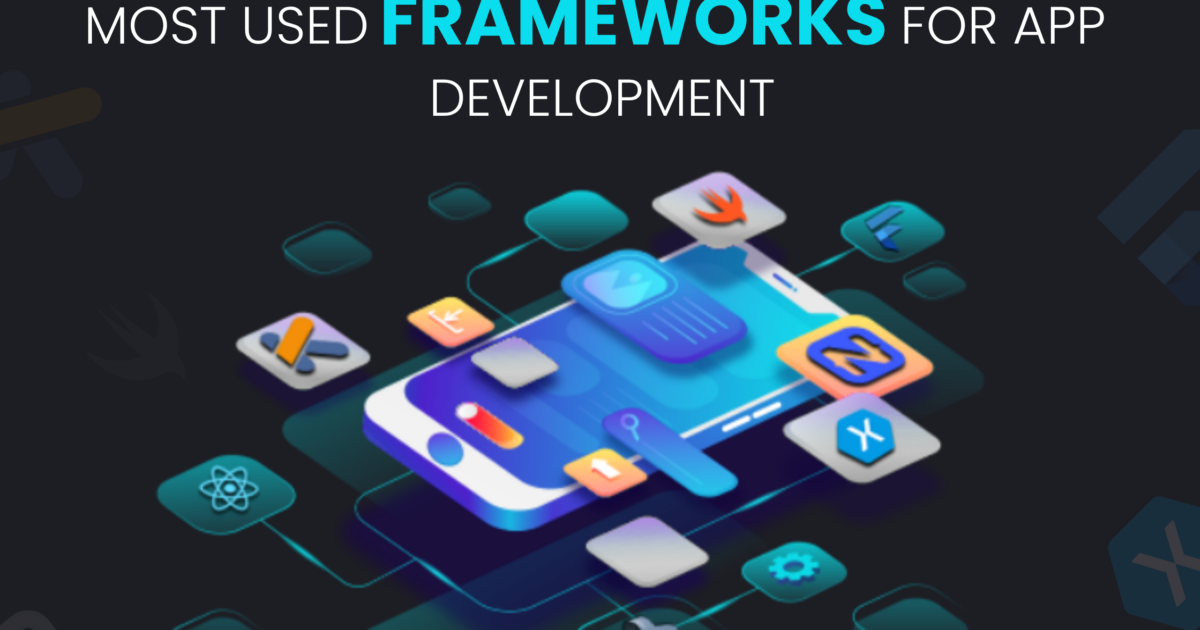
Selecting the correct framework to develop your application is critical. When creating your initial product for a startup (MVP), developing a multi-tenant SaaS application that grows over time, or developing a high-performance mobile app, choosing a framework will greatly influence how quickly and cheaply you develop the product as well as how users experience it.
We will highlight the major frameworks used in 2026 and how they can be applied effectively.
Cross-Platform App Development Frameworks
Developers can use a single codebase to create applications that can run on many different types of devices, such as iPhones, iPads, and Android phones, thanks to cross-platform development tools. Cross-platform development tools make it possible for developers to create applications that work across different platforms.
Flutter
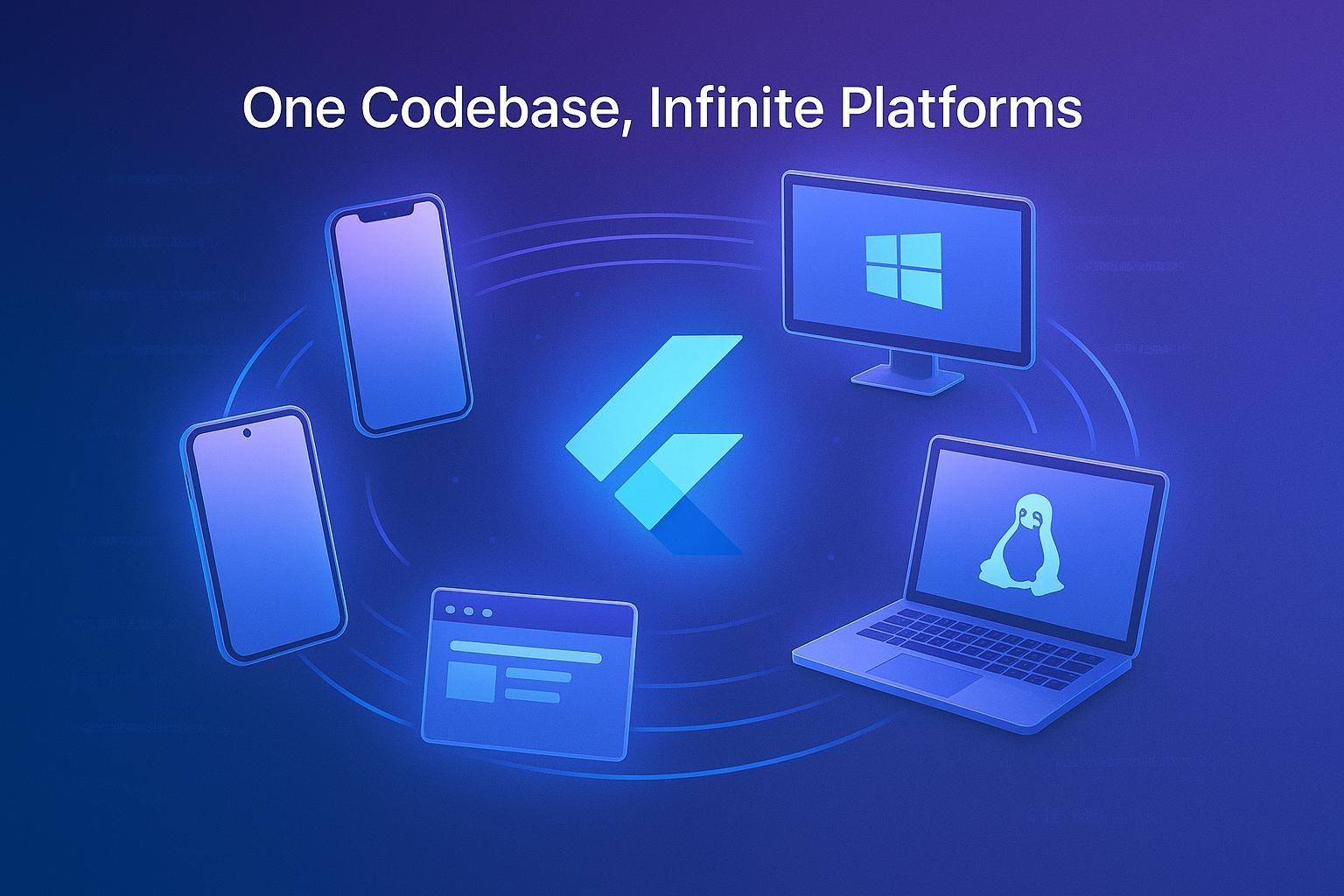
Flutter, developed by Google, is now one of the best available platforms for developing modern applications. The platform uses Dart as its programming language, and it provides a built-in rendering engine to create unique UIs that perform smoothly.
Startups as well as businesses with an emphasis on rich design interfaces and speed-of-development have found Flutter to be an excellent choice; additionally, companies that would like to scale to mobile, web, and desktop from the same code are able to leverage the advantages of the Flutter framework.
React Native
Because React Native is sponsored by Meta, it has one of the biggest communities of developers and can be counted among the largest and most popular frameworks due to being built entirely on JavaScript.
Using React Native, developers can reuse code from their existing web applications built with React, helping them build mobile applications faster. Businesses generally select React Native when they’re looking to hire developers quickly, reduce time to develop products, and have access to a large number of tools and libraries to use.
Kotlin Multiplatform
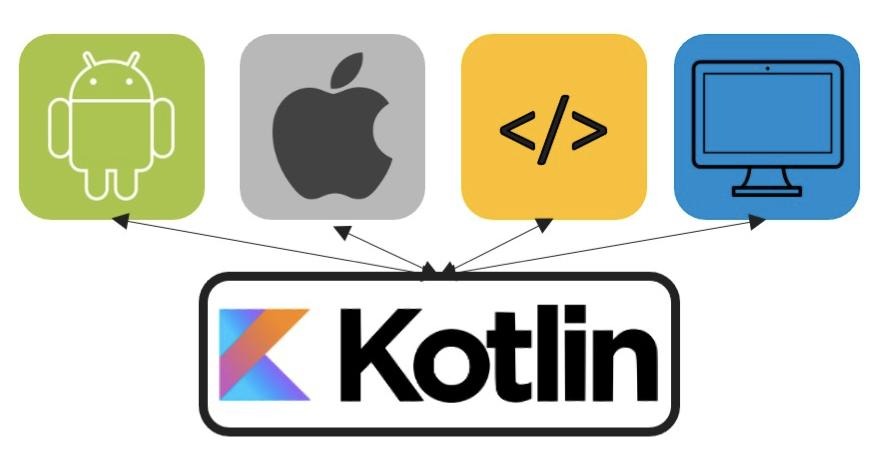
JetBrains’ Kotlin Multiplatform is being adopted by many companies, as it meets the desire of many developers to have both shared code and native performance because they are able to have a single codebase.
Developers can share their core business logic but will be able to maintain an entirely native User Interface (UI) for each of the targeted platforms that they are targeting. Because of this, Kotlin Multiplatform is the preferred option for companies that are focused on high performance as well as long-term capacity for growth.
Web App Development Frameworks
Web frameworks are critical in creating dashboards and SaaS applications as well as any other kinds of online systems that require shrinking capacity.
React
React is still the most used front-end web framework for developing UI for online applications, along with supporting meta. React’s component base design provides an easy way to build reusable UI components to increase productivity and scale applications.
React’s scope of use encompasses everything from startups to large enterprise-type organisations, who will use it to build responsive and high-performing user interface applications.
Angular
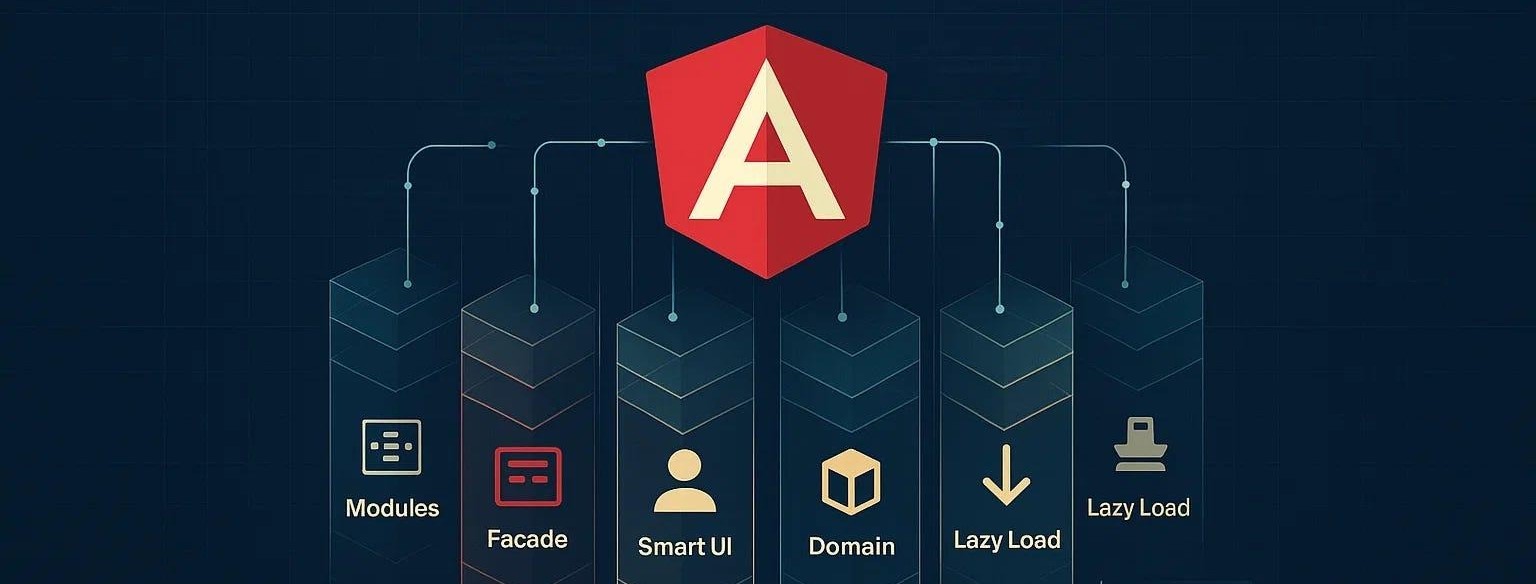
Angular is another framework that has Google backing behind it; Angular is recognised for its structured approach as well as its built-in tools.
Typically used in large-scale enterprise applications, Angular is an ideal choice for applications that require the highest levels of consistency, maintainability, and long-term support.
Vue.js
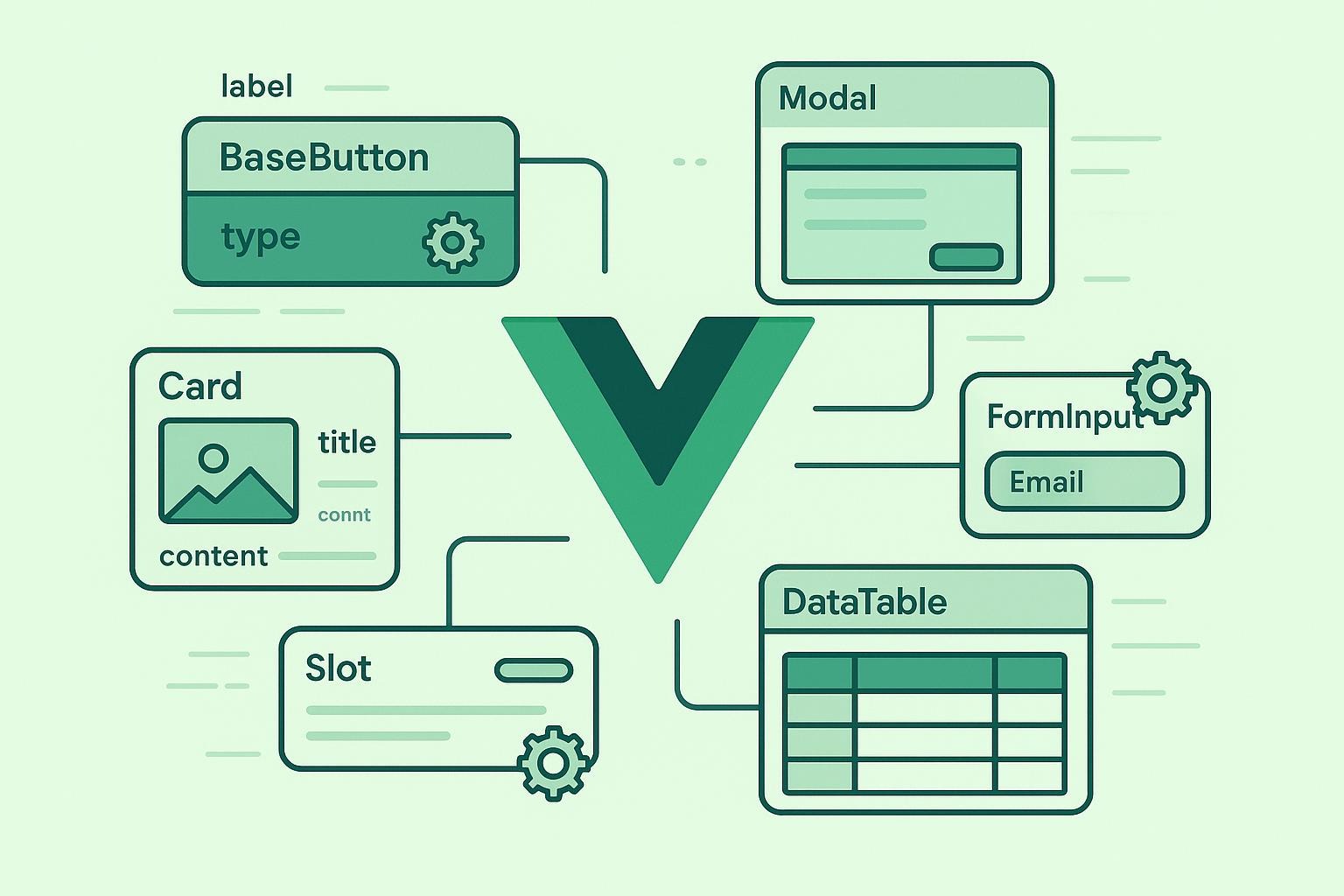
Vue.js is popular due to it being flexible and simple to use and learn. It’s a lightweight option that works well for development on small projects or medium-sized ones.
Because of this many developers will opt for Vue to complete development quickly and without the difficulties that come with using larger frameworks.
How to Choose the Right Framework
Your choice of framework is influenced by your objectives:
- If speed of development and an attractive user interface are your top priorities → Flutter
- If you want to use the JavaScript ecosystem and have the ability to easily hire people to develop your application → React Native
- If you require native-like performance using common logic across multiple platforms → Kotlin Multiplatform
- If the end product is going to be a web-based application or software as a service (SaaS) → React
- If you are building a very large enterprise-scale system → Angular
- If you want a very simple solution that can be created quickly → Vue.js
Final Thoughts
There’s no “best” framework; there’s only the best framework for your business objectives, skill set of your teams, and long-term vision. The trend for 2026 is continuing to emerge as the following:
Cross-platform app development will continue to gain popularity; JavaScript will dominate, & User performance and user experience will be single focus areas in 2026. When building an application, your focus should be on what works best for you rather than on trends and fads.