

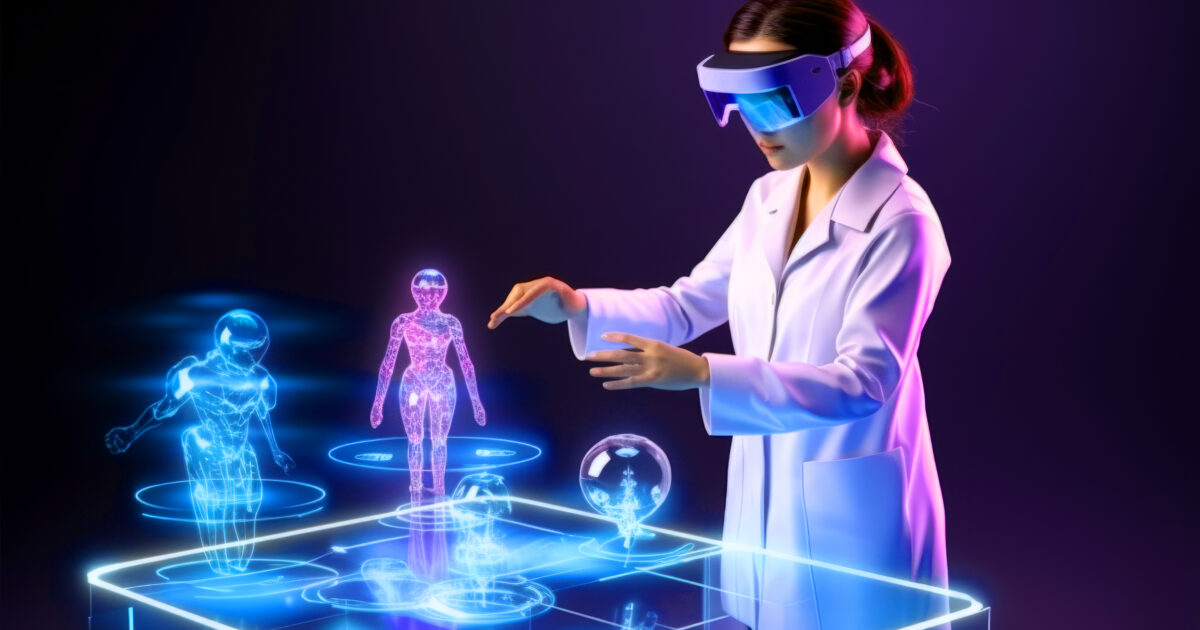
Artificial Intelligence in healthcare is revolutionizing the way the medical industry operates. From automating tasks to improving patient care, AI is driving efficiency, accuracy, and innovation. With the ability to process vast amounts of data, predict risks, and assist in clinical decisions, Ai in healthcare is making medical services more precise, accessible, and affordable.
Artificial Intelligence in Healthcare for Automating Routine Tasks
One of the most immediate benefits of Artificial Intelligence in medicine is automation. Tasks such as scheduling, record-keeping, and billing can be managed by AI systems.
This reduces human error, saves time, and allows doctors and nurses to focus more on patient care.
Data Analysis Through AI
Healthcare produces huge volumes of data every day. Artificial Intelligence can quickly analyze this data, detect patterns, and generate actionable insights.
This helps medical professionals understand disease trends, make better predictions, and personalize treatments.
Clinical Decision Support with AI in Healthcare
AI acts as a valuable assistant for doctors by providing evidence-based recommendations. AI can scan medical research, patient records, and case studies to suggest the best treatment options.
This improves diagnostic accuracy and supports doctors in complex decision-making.
Predictive Analytics Powered
AI systems can anticipate health risks before they escalate. By analyzing patient history and real-time data, Artificial Intelligence in healthcare predicts complications and suggests preventive measures.
This leads to fewer hospital emergencies and better patient outcomes.
Improving Patient Experience Using Artificial Intelligence in Healthcare
Patients benefit directly from AI-driven applications. Features such as chatbots, appointment reminders, and virtual assistants create smoother interactions.
Artificial Intelligence enhances personalization, reduces waiting times, and gives patients quicker access to care.
Expands Accessibility
For people in remote or underserved areas, AI in healthcare improves access through telemedicine and remote monitoring.
Patients can receive timely care without traveling, making healthcare more inclusive.
Cost Reduction with AI in Medicine
AI helps reduce costs by streamlining operations and catching potential problems early. For example:
Predictive analytics reduces readmissions
Automated workflows save staff time
Preventive care avoids costly treatments
Artificial Intelligence in healthcare supports sustainable medical systems.
Research and Innovation Driven
Medical research is advancing faster thanks to AI. Artificial Intelligence in healthcare analyzes massive datasets, helping researchers:
Discover new drugs
Develop advanced treatment methods
Design innovative devices
This accelerates innovation and brings treatments to patients more quickly.
Personalized Treatments Through AI in Healthcare
AI enables personalized medicine by combining genetics, medical history, and lifestyle data.
AI in healthcare ensures treatments are tailored for effectiveness, reducing side effects and improving long-term outcomes.
Conclusion
Artificial Intelligence in healthcare is not just a technological upgrade, it is a complete transformation. From automating tasks and improving accessibility to personalizing treatments and driving innovation, AI is reshaping the future of medicine.
As the medical industry evolves, Artificial Intelligence will remain at the core, ensuring better outcomes for patients and more efficient systems for providers.